Why Some of the Best Apps Never Hit the App Store — And What That Means for You

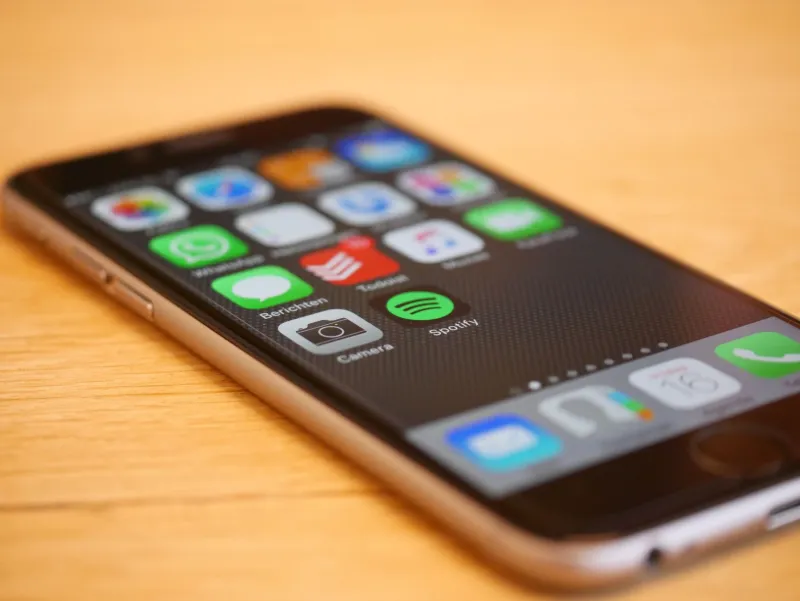
Photo by Photo by Creatopy on Unsplash on Unsplash
Not long ago, "download the app" meant one thing: head to the App Store or Google Play, find the icon, and tap Install. Simple, centralized, familiar. That model still works — but it's quietly starting to crack.
A meaningful shift is happening in how software gets distributed. Independent developers, funded startups, and even some established companies are increasingly choosing to route around Apple and Google entirely, delivering their products through browsers, direct downloads, or alternative platforms. And the reasons why tell you a lot about where the app economy might be heading.
The 30% Problem That's Been Brewing for Years
To understand why developers are looking for exits, you have to understand the business model they're trying to escape. Apple and Google both take a cut of in-app purchases and subscriptions — historically around 30% for most transactions, dropping to 15% for smaller developers and long-term subscribers under certain conditions. On paper, that's the price of access to hundreds of millions of users. In practice, for many developers, it's a margin killer.
For a $10/month subscription app, Apple or Google is walking away with $3 before the developer pays for servers, support, marketing, or any of the other unglamorous costs of running software. That math gets uncomfortable fast, especially for smaller teams.
The Epic Games vs. Apple lawsuit brought this tension into mainstream conversation in 2021, but the frustration had been simmering in developer communities for years before that. What's changed more recently is that there are now more viable ways to actually do something about it.
Web Apps: The Quiet Workaround That's Getting Louder
Progressi Web Apps — PWAs, in developer shorthand — have been technically possible for a while. But they've matured significantly, and more users are comfortable installing them without even realizing they're not going through an official storefront.
A PWA lives in your browser but can be added to your home screen, send notifications, and work offline. For a lot of use cases — especially productivity tools, note-taking apps, and lightweight utilities — the experience is nearly indistinguishable from a native app. And critically, when you subscribe to a PWA directly through the developer's website, Apple and Google see none of that revenue.
Apps like Notion, Linear, and dozens of smaller tools lean heavily on web-based delivery. Some offer native apps as a convenience layer while making it easy — sometimes easier — to just use the browser version instead.
The Subscription Model as a Distribution Strategy
There's another piece to this puzzle that doesn't get talked about as much: how developers price their way out of app store dependency.
If a developer can get users to subscribe directly on their website before ever touching the App Store version, that subscription lives outside Apple or Google's ecosystem. The app itself might still be on the App Store — for discoverability, for trust signals, for users who prefer it — but the actual money flows elsewhere.
This is a strategy that requires some friction tolerance from users ("sign up on our website first, then log in on mobile"), but plenty of people do it without a second thought. It's why you'll sometimes notice that apps prompt you to "create an account" on their website rather than through the app's own sign-up flow. That's not an accident.
What This Looks Like in Practice: A Few Examples
Some of the most interesting cases are happening at the indie level. Developers building niche tools — journaling apps, habit trackers, specialized writing environments — are launching directly through their own websites or platforms like Gumroad and Paddle, sometimes never submitting to any app store at all.
On the larger end, companies like Spotify have been vocal about their frustration with Apple's policies and have pushed users toward direct billing options wherever regulations allow. In the EU, recent Digital Markets Act enforcement has forced Apple to open up alternative distribution channels, and while that hasn't fully arrived in the US yet, the legal and regulatory pressure is real and growing.
Even gaming is seeing movement. Platforms like AltStore (which gained official "alternative marketplace" status in the EU) and ongoing experiments with sideloading on Android point toward a future where the big two storefronts are one option among several, not the only option.
The Honest Tradeoff for Users
Here's where it gets complicated. The App Store model, for all its flaws, does a few things that are genuinely useful for regular users: it centralizes discovery, provides some baseline security review, and makes managing purchases and refunds relatively straightforward.
When apps scatter across direct websites, alternative stores, and PWAs, that convenience disappears. You might have subscriptions running in five different places, managed through five different billing portals. Discovering new apps gets harder without a curated storefront. And trust becomes something you have to evaluate yourself rather than partly outsource to a platform.
There's also the security angle. Apple's review process isn't foolproof, but it does catch some bad actors. Direct distribution puts more responsibility on users to vet what they're installing — not impossible, but a higher bar than most people are used to.
So Is the App Store Model Actually Dying?
Probably not dying — but definitely evolving. The App Store and Google Play will remain dominant for the foreseeable future, particularly for mainstream consumer apps where discoverability and trust matter most. But the edges are fraying, and that's actually good news for a certain kind of user.
If you're someone who actively seeks out tools, reads developer blogs, and doesn't mind a bit of setup friction, the move toward direct distribution opens up access to software that might never have made it through a traditional review process. Niche, experimental, and genuinely weird apps tend to thrive outside the mainstream stores.
For everyone else, the practical implication is simpler: the next great app you find might not come from a storefront at all. It might come from a developer's newsletter, a Reddit thread, or a friend's recommendation — and it might live in your browser rather than your app drawer.
That's a different kind of app discovery. Maybe it's one worth getting used to.